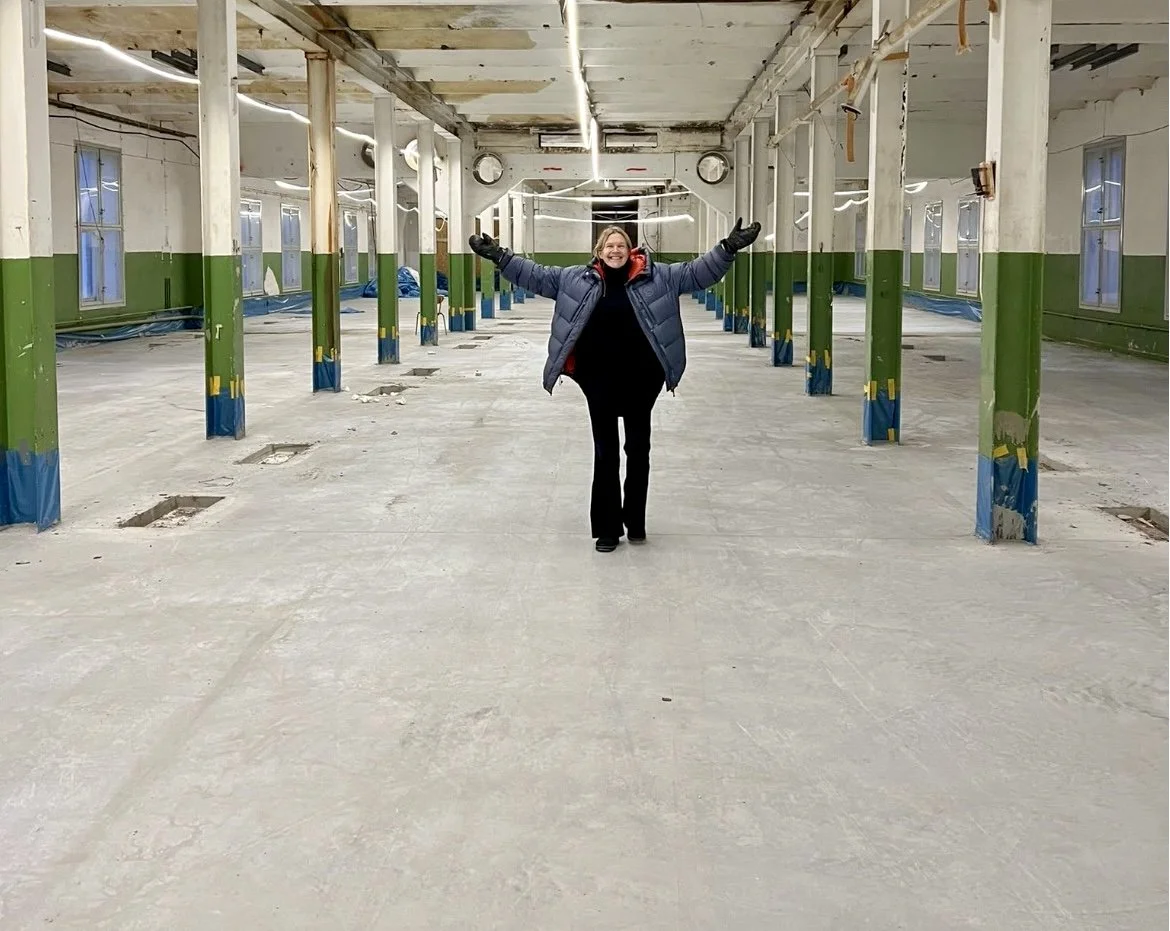
Bringing industrial spinning back and restoring a missing link in the circular textile value chain. More than 50 years after large-scale industrial spinning ceased at Holma in Forsa, Sweden, a new chapter in Swedish textile history is taking shape. For ReSpin, the establishment of Holma Spinning Mill is an important step towards validating its recycling technology on an industrial scale and accelerating international expansion.
From industrial heritage to circular innovation
The story began when ReSpin’s CEO and founder, Åsa Strandberg, started actively searching for an industrial spinning mill in Sweden. Her search led her to Holma, a historic textile mill with roots dating back to 1898, where industrial spinning stopped in 1974.
Holma’s textile heritage is still very much alive. Today, the mill continues to produce coarser wool yarns and carries out yarn dyeing, twisting and packaging, primarily for the craft and weaving markets.
Discussions with the owners led to a shared ambition to bring large-scale industrial spinning back to the historic premises. ReSpin decided to become a co-owner and invest in restoring a missing link in the textile value chain, not only in Sweden, but also in Northern Europe.
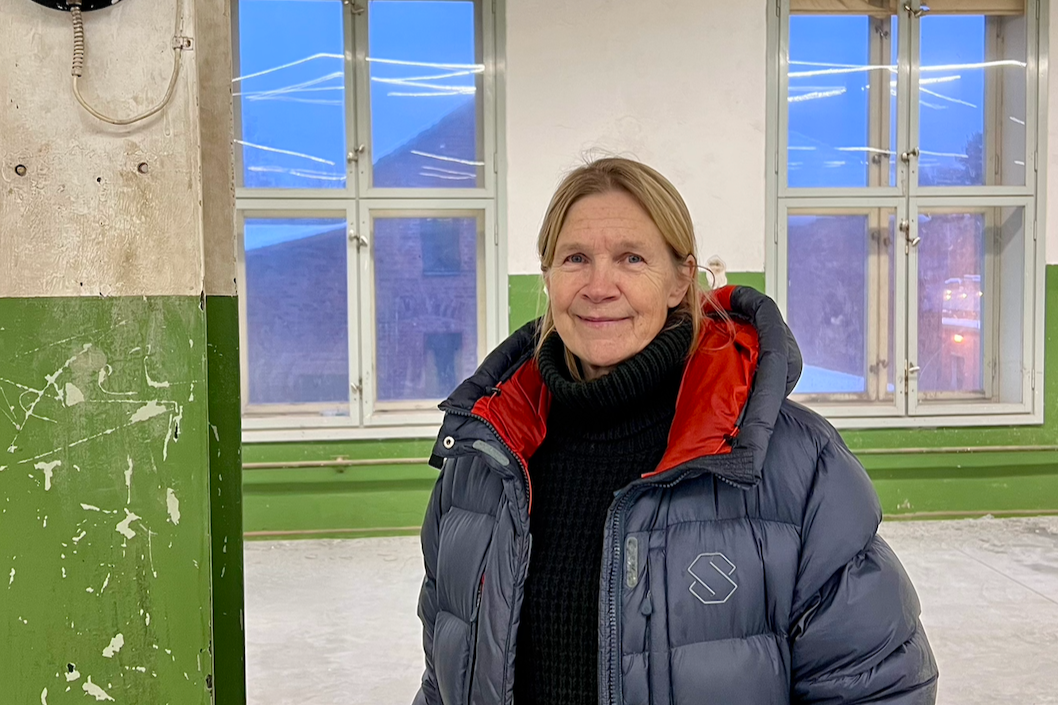
“The history is in the walls. We are keeping the original colours and pillars, but introducing modern technology,” says Åsa Strandberg.
The establishment of Holma Spinning Mill marks a new chapter in this long textile tradition, introducing modern industrial spinning technology and recycled textile fibres as a raw material.
Two technologies coming together
While ReSpin has developed technology to separate textile fibres more gently to preserve fibre quality, spinning technologies have also evolved.
The new facility at Holma will use rotor spinning, also known as open-end spinning, which enables shorter fibres to be spun into yarn than conventional ring spinning.
The combination of these technologies creates opportunities to increase the proportion of recycled fibres in new yarns and, depending on the quality of the input material, produce yarn made entirely from recycled fibres.
The quality of the input material is an important factor. Textile production waste, for example, offers different opportunities compared with heavily worn post-consumer textiles.
An important step towards international expansion
For ReSpin, Holma Spinning Mill is more than a production facility. It will provide an industrial environment in which to validate the performance of ReSpinJenny, from recycled fibre to finished yarn.
Having access to a spinning facility also enables ReSpin to work with smaller batches, maintain control over the materials used and verify the quality of the resulting yarn.
“What Holma means for ReSpin is that we will be able to validate our technology on an industrial scale,” explains Åsa.
This will be an important step in demonstrating the potential of ReSpin’s recycling technology to future customers and supporting the company’s international expansion.